Georgia Cannabis News
Georgia's 2026 Election: Where Candidates Stand on Marijuana Reform
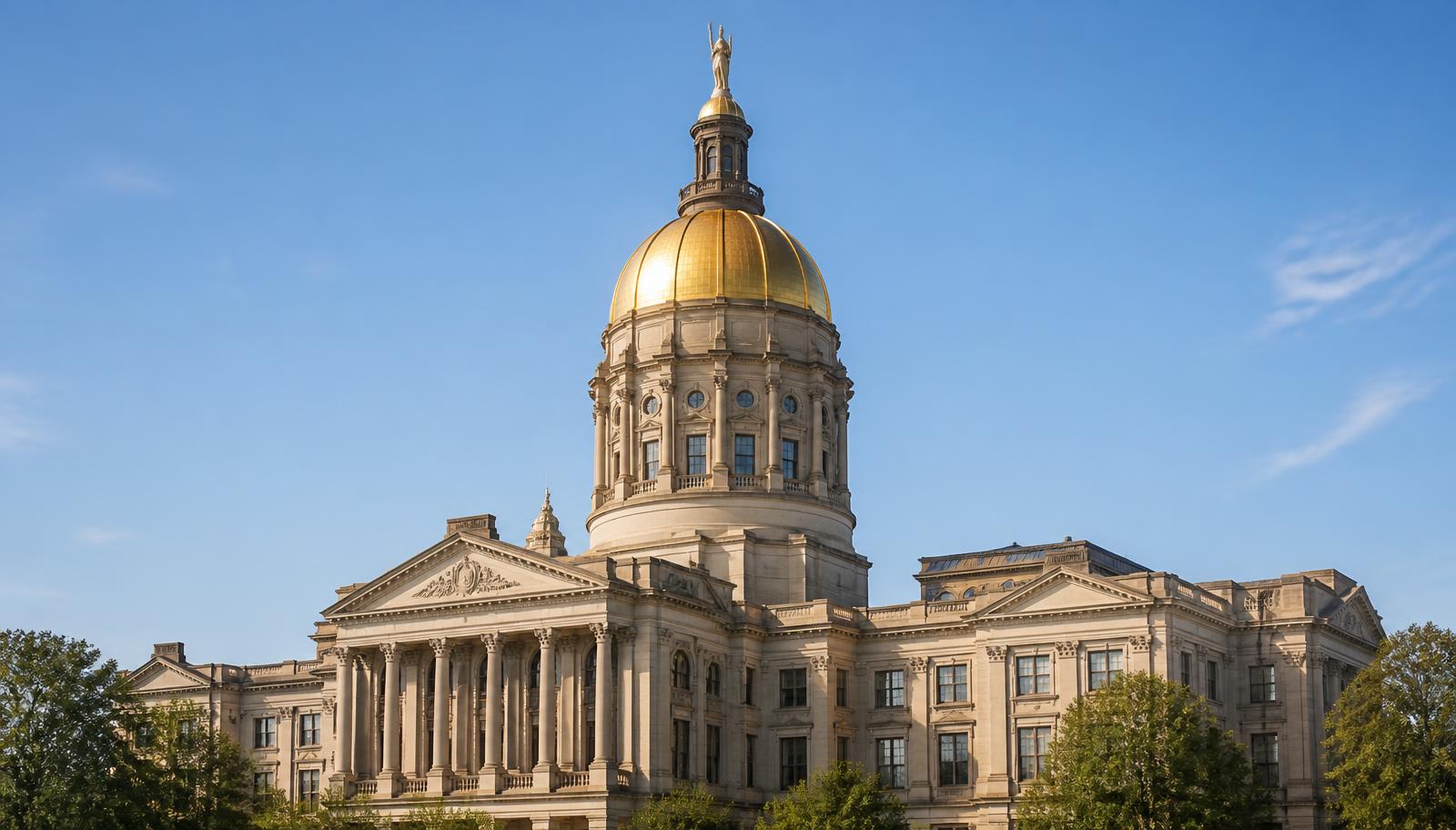
With Georgia’s November 3 election approaching, marijuana legalization, decriminalization and medical cannabis access remain important policy questions for candidates seeking public office. Here is what the documented record shows.
Georgia expanded its medical cannabis program in 2026, but recreational marijuana remains illegal under state law. The election gives voters an opportunity to compare candidates’ public statements and voting records. For background on what is and isn’t legal today, see our guide to Georgia marijuana laws.
Georgia Governor: Keisha Lance Bottoms vs. Rick Jackson
Keisha Lance Bottoms (Democrat) has a documented history of supporting reduced penalties for marijuana possession. As an Atlanta City Council member, she helped advance the city’s 2017 ordinance reducing penalties under city law for possession of one ounce or less of marijuana to a maximum $75 fine with no jail time. The ordinance did not legalize or decriminalize marijuana, and possession remained illegal under state law. As mayor, she later signed 2020 executive orders aimed at eliminating city jail bonds for low-level marijuana offenses.
Her record establishes support for those local penalty-reduction measures. She has not made cannabis policy reform a centerpiece of her 2026 campaign, and her current position on statewide recreational legalization has not been clearly established in the sources reviewed for this article.
Rick Jackson (Republican) has not previously held elected office and therefore has no legislative voting record on marijuana policy. A specific public position from Jackson on recreational legalization, medical cannabis expansion or marijuana decriminalization has not been established in the sources reviewed for this article. That leaves an important policy question for his campaign to address.
U.S. Senate: Jon Ossoff vs. Mike Collins
Jon Ossoff (Democrat) has publicly expressed support for legalizing and regulating cannabis. During his 2020–21 campaign he promoted marijuana legalization as part of his policy agenda, and cannabis-policy scorecards have rated him as supporting legalization, taxation and regulation.
Mike Collins (Republican), a two-term congressman challenging Ossoff, has no documented votes or public statements establishing a position on federal marijuana legalization, decriminalization or cannabis banking in the sources reviewed for this article. The next U.S. senator could participate in decisions involving federal marijuana scheduling, banking restrictions and criminal penalties.
Georgia Congressional Candidates
In Georgia’s 2nd Congressional District, Sanford Bishop (Democrat) has a documented record of supporting federal marijuana reform legislation, including voting for the MORE Act in 2020 and 2022 and supporting cannabis banking and medical marijuana research measures.
His Republican opponent, Matt Day, told a Sumter County Republican Committee meeting in June 2026 that he supports decriminalizing marijuana, except for DUIs. That statement addresses decriminalization; it should not be read as support for full recreational legalization.
These distinctions matter. A politician can support decriminalization without supporting recreational cannabis sales, or support medical marijuana while opposing adult-use legalization.
What Should Georgia Candidates Answer?
Several questions remain central to Georgia’s marijuana policy debate:
- Should possession of small amounts of marijuana carry criminal penalties?
- Should Georgia establish a regulated recreational marijuana market for adults?
- Should the state’s medical cannabis program expand further?
Supporters of broader reform cite patient access, criminal justice concerns and regulated product safety. Opponents raise concerns about public health, impaired driving and youth access.
As November approaches, Georgia voters can evaluate candidates using documented statements and legislative actions rather than assumptions based on party affiliation. Patients and caregivers can learn more about the current program in our Medical Cannabis Patient Guide and our coverage of Georgia’s 2026 medical cannabis changes.
GeorgiaMarijuanaDelivery.com will continue following Georgia cannabis legislation and the 2026 election.
Editor’s note: This article does not endorse candidates or political parties. Candidate positions reflect documented public statements and legislative records available at publication.
Related Cannabis News
Official Sources
- Georgia Secretary of State — Elections Division
- City of Atlanta — Mayor Kasim Reed Signs Marijuana Ordinance 17-O-1152 into Law (October 11, 2017)
- Atlanta City Council — Ordinance 17-O-1152 Legislative Record
- Marijuana Policy Project — Georgia Elections: Candidate Cannabis Positions (October 2026)
- U.S. House Clerk — Roll Call 107: MORE Act (H.R. 3617, April 1, 2022)
- U.S. House Clerk — Roll Call 235: MORE Act (H.R. 3884, December 4, 2020)
- Vote Smart — Sanford Bishop Jr.'s Voting Record on Marijuana
- Americus Times-Recorder — Republican Candidate Matt Day Campaigns for U.S. Congress, Georgia District 2 (June 26, 2026)
- Georgia General Assembly — SB 220 Medical Cannabis Legislation
- Georgia Access to Medical Cannabis Commission
- Georgia Department of Public Health — Medical Cannabis
GeorgiaMarijuanaDelivery.com is an independent informational and business directory. We do not sell, dispense, ship or deliver cannabis. This article is provided for general informational purposes and is not legal advice. Cannabis laws and candidate positions can change. Readers should verify current information with appropriate government agencies and official campaign sources.